Animal Rescue
Animal abuse. The phrase likely sends shivers down your spine. Who wants to see an animal abused by a human being? That’s why we have animal rescue initiatives.
Unfortunately, some people don’t mind abusing animals when it serves their purposes. The good news is that you can help fight animal cruelty by understanding what it means and how you can help.
This is a tough topic to digest, but people who stand up against animal abuse send a strong message. Let’s talk about animal abuse and animal rescue, what they look like, and how you can help.
What Is Animal Rescue?
Animal rescue is a broad term that refers to any effort to save animals from cruelty and abuse. An animal rescue operation, whether law enforcement or civilian, identifies animal cruelty, recovers animals from substandard conditions, and makes every effort to give those animals better lives.
Most municipalities, for instance, have animal control units that answer calls about animal cruelty. They investigate perpetrators and help place animals in new homes. Civilian animal rescue operations accept abused, neglected, malnourished, or abandoned animals.
We’re not just talking about dogs and cats here, though they’re often the target of animal rescue operations. Many other animals need rescuing, including the following:
- Horses
- Cows
- Goats
- Rabbits
- Reptiles
Some animals are easier to rehome than others. Distressingly, more than six million companion animals enter shelters every year just in the United States. Of those, 1.5 million get euthanized, either because they’re too ill or injured to help or because of overcrowding at shelters.
Remember, that’s just companion animals. Let’s look at the animals who suffer the most and how we can help with animal rescue efforts.
Animals That Suffer the Most
It’s difficult to quantify concepts like suffering. Additionally, statistics are available on some animals, but not on others.
However, we have to work with what we know. Animal rescue efforts often target certain species or even breeds. Among dogs, for example, there are many animal rescue operations targeted at pitbulls, Golden retrievers, Labrador retrievers, and other specific breeds.
Dogs, cats, and other small animals are easier on animal rescue professionals. Larger animals, such as horses and livestock, take up more space.
Dogs
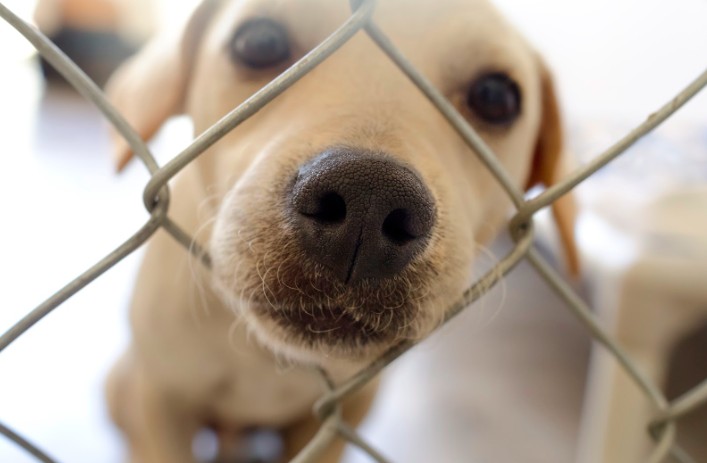
About half of the animals who land in shelters every year are dogs. They range in age from newborn pups to seniors.
Some arrive at shelters because they were found by the side of the road or running at large through a neighborhood. Others get surrendered by folks who unwittingly allowed their unaltered pets to spawn.
In some of the most horrific cases, animal rescue involves dogs and other pets who have been neglected and mistreated. They might have sores on their bodies, lesions, bruises, protruding ribs, and snarled hair that must be shaved.
Animal rescue operations often have veterinarians on staff who can tend to injuries, illnesses, and parasites. However, the so-called lost causes often find themselves euthanized.
One of the primary problems with rescuing dogs is that most people come to shelters looking for puppies. They want a clean slate and an adorable bundle of fur to take home. Luckily, there is a growing awareness of the need to provide a “forever home” to senior dogs, too, who can be even more grateful to the human who can finally provide them with safety and love.
Furthermore, biases against certain breeds, such as pitbulls and German shepherds, leave those animals without homes. People assume they’ll get an aggressive dog, so they turn to the more “acceptable” breeds.
Cats
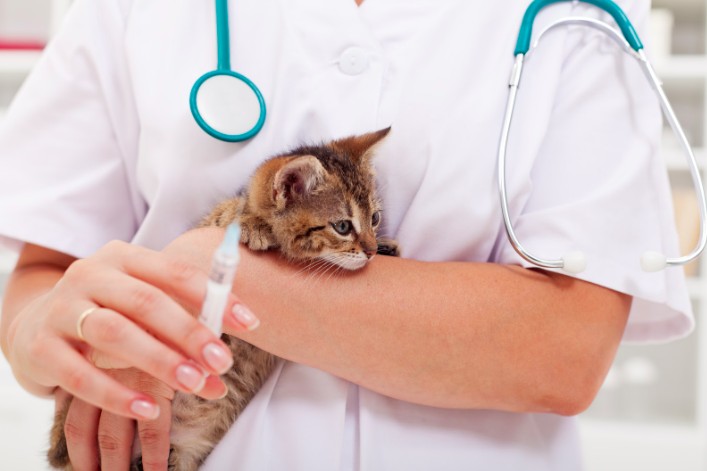
Animal rescue organizations bring cats in from the cold almost as often as dogs. Both kittens and cats get placed in shelters because they’re allowed to roam out of the house and got lost. Pet parents not wanting their cats or abusing their cats are other reasons why they are taken into shelters.
Cats are also often found in animal hoarders’ homes. In some cases, dozens or even hundreds of these animals must be placed in shelters and — with any luck — transferred to forever families.
Cats and dogs alike get surrendered for numerous reasons:
- Housing restrictions on animals
- Bringing a newborn baby home
- Witnessing aggressive behavior
- Getting frustrated with common pet problems like potty accidents
Animal cruelty can also come into play, especially when cats are turned out of the home with no access to shelter, food, or water.
Horses
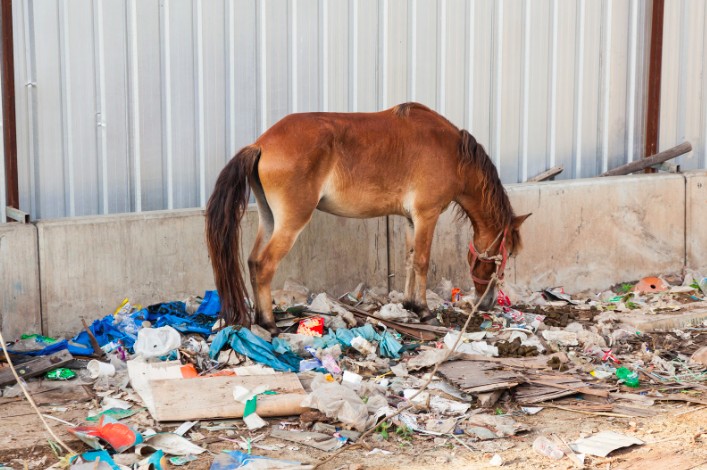
Neglected, abused, and malnourished horses often go unreported because they’re housed on large parcels of land or kept in rural areas. Animal protection officers and concerned citizens don’t see them, so they can’t intervene.
The major problem with horses is that people buy these animals and assume the horses don’t need much care. Nothing could be further from the truth.
For instance, horses who are stalled or pastured in their own filth or standing water develop thrush, a fungal infection that can lead to painful abscesses. Grass alone isn’t sufficient to meet a horse’s needs, so the absence of grain and hay take a toll on these animals’ physical health.
You also have to remember that horses were domesticated almost as long ago as dogs. They’ve been bred as companion animals. They need human interaction for emotional fulfillment.
Other problems animal rescue organizations face include matted hair, unchecked illness, and animal cruelty.
Unfortunately, the myth that horses need to be dominated has persisted over the years. Handlers use whips, chains, hobbles, and sharp spurs to force these animals into submission. The open wounds and scars left behind create additional problems as well as mistrust.
Livestock and poultry
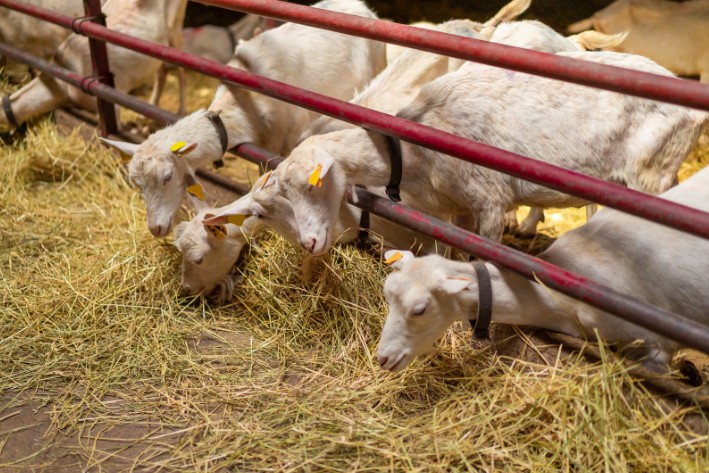
This is by far the largest category of animal suffering. Primarily contained in factory farming, livestock and poultry can endure even more animal cruelty than cats, dogs, and horses. They are born, bred, and killed to produce money for their owners. Substandard living conditions, lack of opportunity to realize natural and instinctive behavior, inadequate food, and absent veterinary treatment lead to the need for animal rescue among livestock.
On farms designed for harvesting animal products, the animals’ needs come in second to the operation’s profitability. The less they spend on “luxuries” like food, veterinary attention, space, and water, the higher the profit margins.
Animal rescue cases can also involve situations in which people think they know what it takes to care for livestock as pets, but quickly become overwhelmed. Livestock can be domesticated, but it takes years of tender care and gentle training.
Why You Must Help Animal Rescue Efforts and Fight Against Animal Cruelty
It takes a strong conviction to confront the realities behind animal cruelty. People who work with animal rescue organizations often see things that disturb them.
However, the alternative to animal rescue is a world full of suffering, abused, neglected, or dangerous animals. We can’t have that. So what’s the answer?
If you’re not sure you want to get involved in animal rescue, consider these facts.
No Living Being Deserves to Be Treated Poorly
Maybe you have pets of your own. Or a child who depends on you. How would you feel if someone you loved was abused or mistreated?
It’s happening every day, all around the world, to billions (yes, with a ‘b’) of animals. We have the capacity to stop much of it, but only if people step up and find ways to prevent animal cruelty.
Well Written!
ReplyDelete